Davis highlight
Agricultural research
UC Davis is California's land-grant university for agriculture, with research dating to its 1908 founding and spanning crop genetics, wine science, veterinary medicine and sustainable food systems.
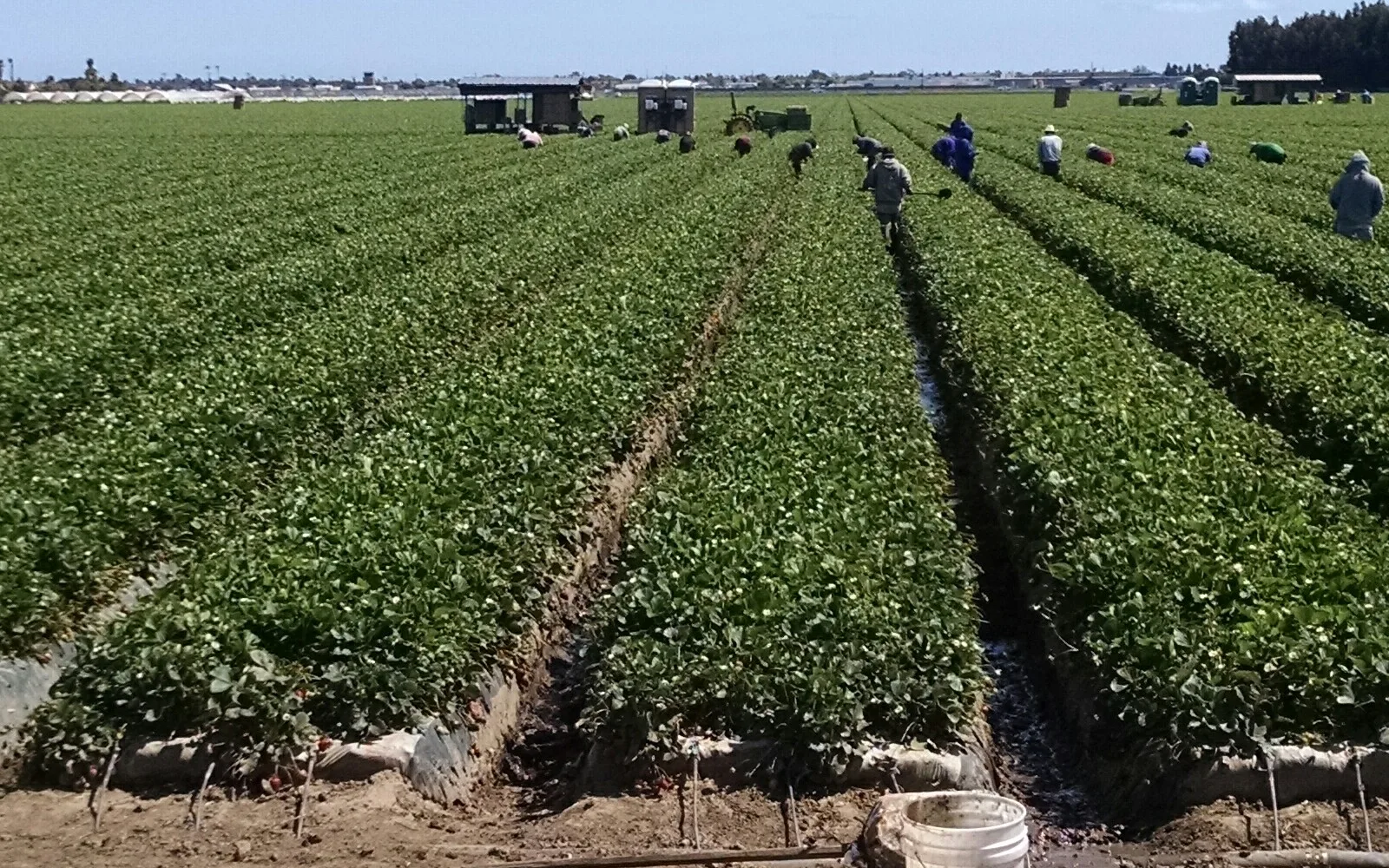
The University Farm that became UC Davis was created by California to advance agriculture through scientific research and education. Since its founding in 1908, the university has maintained that mission while expanding into every field of study. Today UC Davis operates research programs in wine production and sensory science, strawberry and tomato genetics, rice breeding, and bee genetics—work that directly affects the commercial agriculture of California and the world.
The university's College of Agricultural and Environmental Sciences houses research centers including the Robert Mondavi Institute for Wine and Food Science and programs studying sustainable agriculture, plant breeding, animal biology and environmental management. UC Davis researchers have developed disease-resistant grape varieties, bred strawberries for extended growing seasons and shelf life, and conducted genetics studies that shaped modern beekeeping. Beyond agriculture, the university researches environmental toxicology, climate adaptation and the social dimensions of farming and food security.
Families in agricultural areas and college towns with research missions often include people whose work is tied directly to crops and rural economy. A farmer, researcher or equipment supplier may have seasons of higher and lower income, or may depend on commodity prices or grant funding. Life insurance that locks in a level monthly payment for twenty or thirty years protects against income disruption during those years, leaving the household to adapt when the term ends.